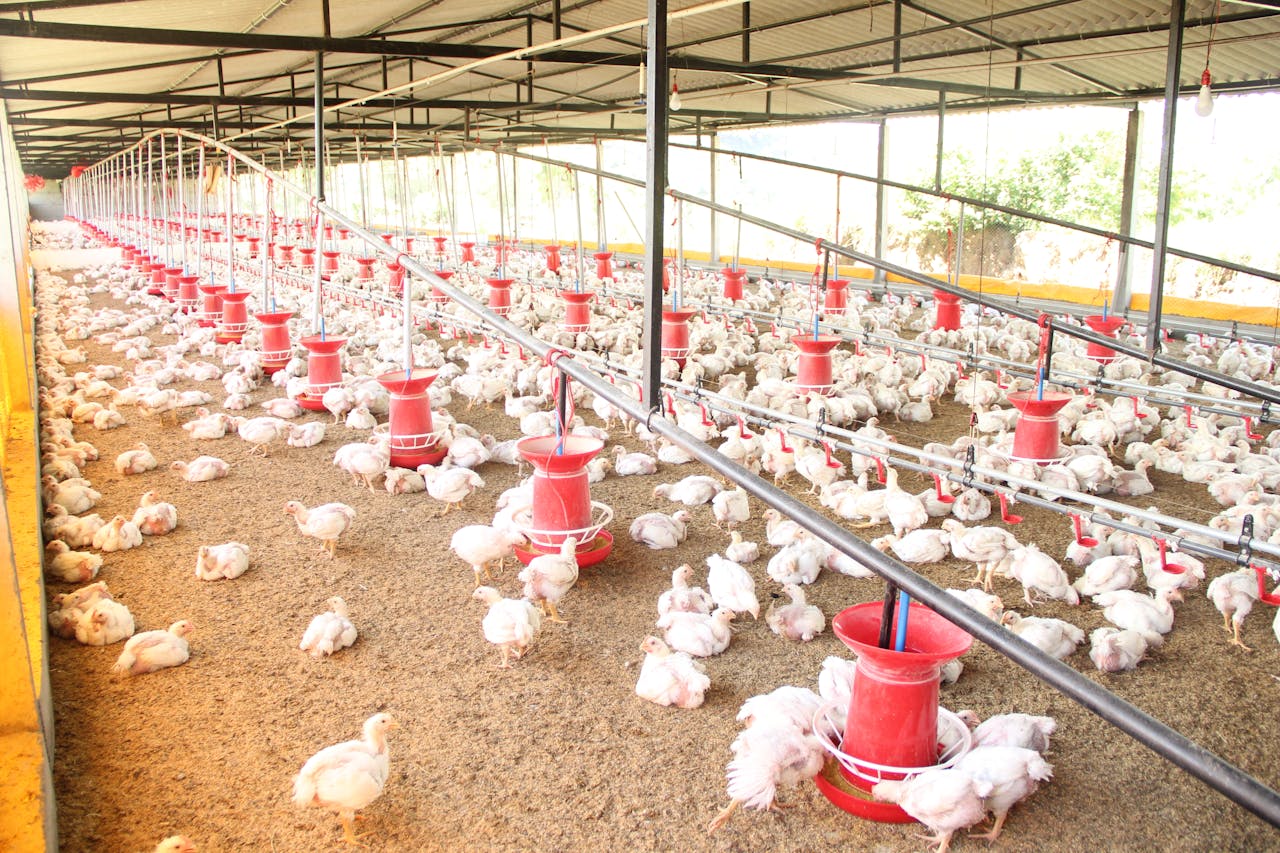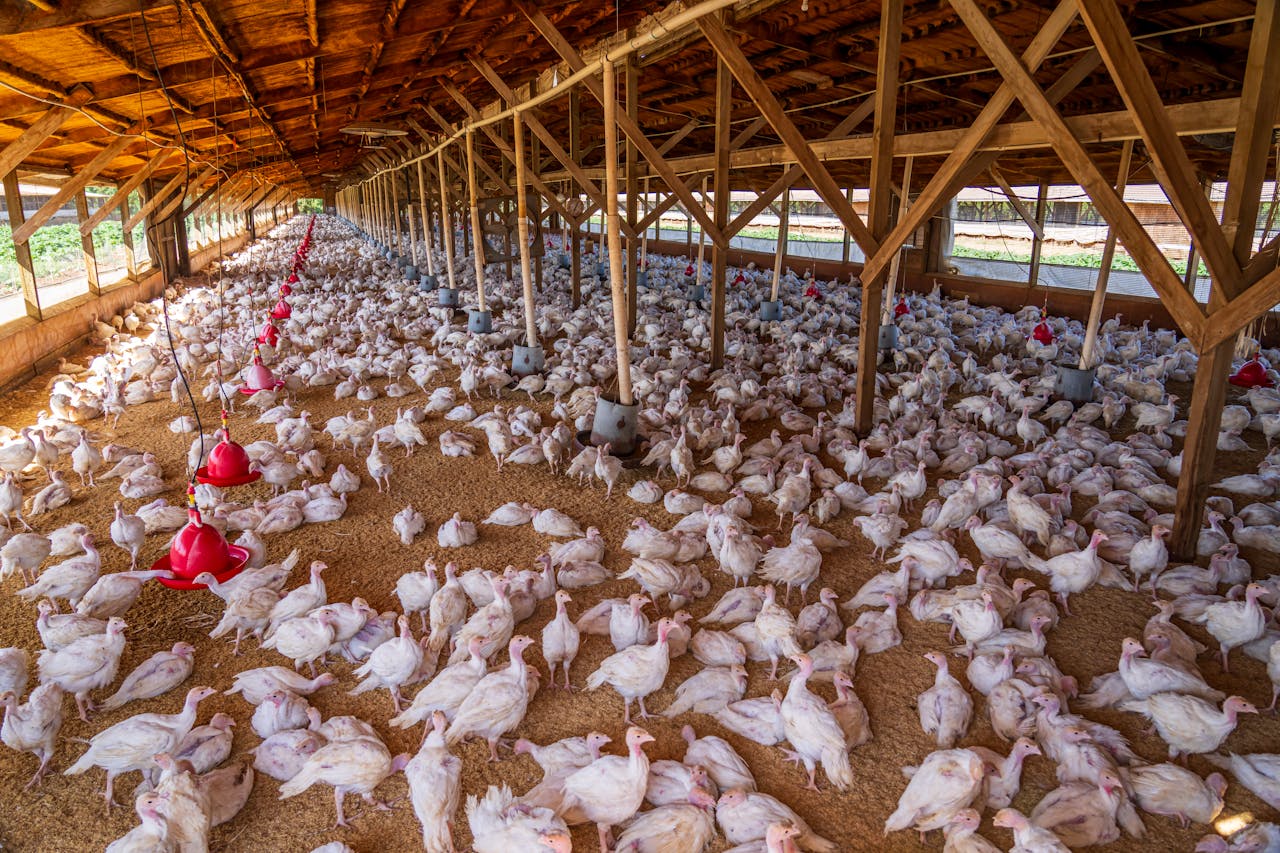

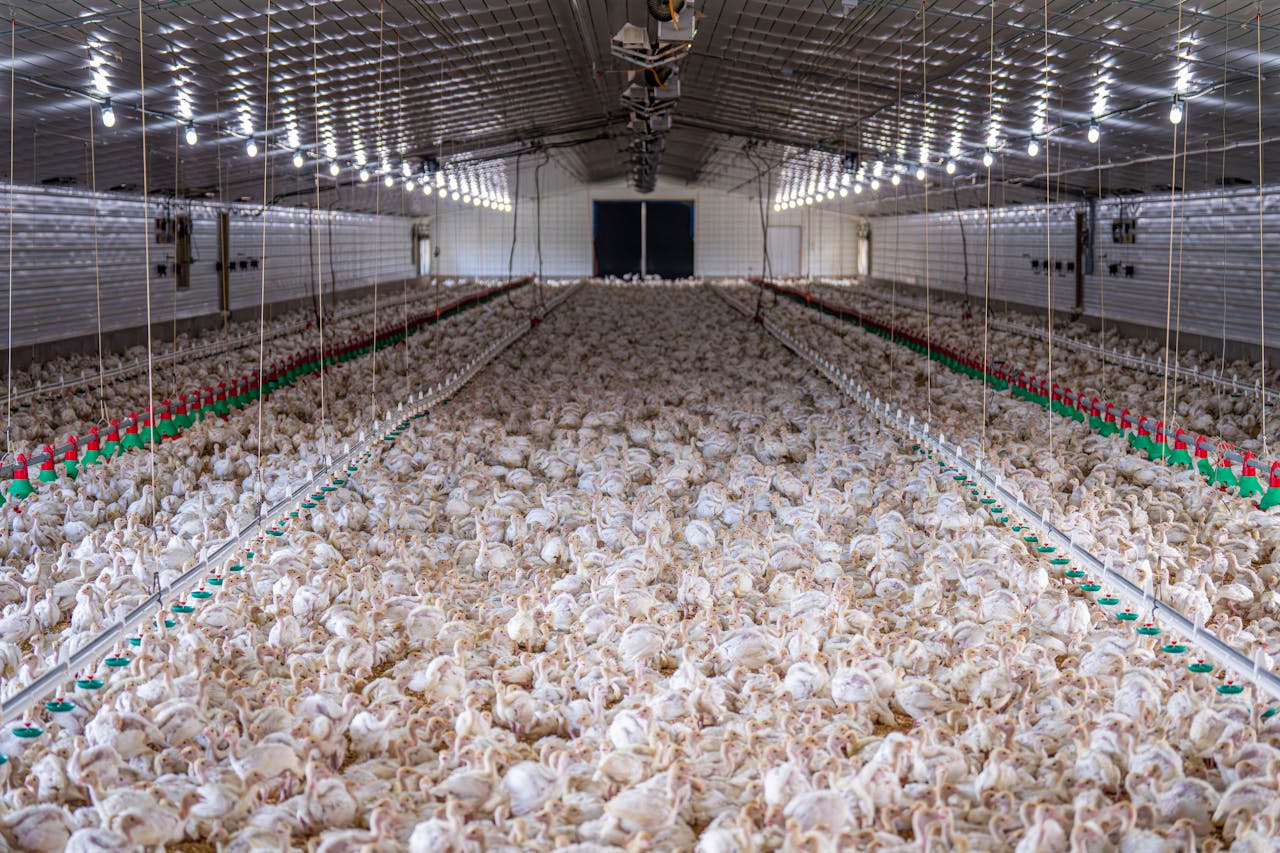
Layer farming under a controlled shed is a scientific and efficient method of producing eggs through the rearing of layer hens in a carefully managed environment. This system ensures optimum conditions for egg production, bird health, and farm productivity. Below is an overview of the process and key components involved in layer farming under a controlled shed:
1. Shed Design and Infrastructure
Controlled sheds for layer farming are designed for efficiency, hygiene, and biosecurity:
-
Environmentally controlled housing with insulated walls and roofs.
-
Tiered cage or floor systems depending on the production model.
-
Automated systems for feeding, watering, egg collection, and manure removal.
2. Bird Placement and Rearing Phases
Layer birds are managed in two phases:
-
Grower Phase (0–16 weeks): Pullets are reared under optimal temperature and lighting to develop body structure and immunity.
-
Layer Phase (17–72 weeks and beyond): Birds start laying eggs, and are shifted to laying sheds with laying cages or nest boxes.
3. Temperature and Ventilation Control
-
Temperature is maintained between 20–27°C, ideal for laying.
-
Exhaust fans and cooling pads regulate airflow and humidity.
-
Air inlets and curtains ensure uniform distribution of fresh air.
4. Lighting Program
Light management is critical for egg production:
-
Gradual increase in light duration from 8 to 16 hours per day.
-
Constant light intensity and duration during peak laying period.
5. Feeding and Watering Systems
-
Automated feeders supply a nutritionally balanced diet tailored for layers.
-
Nipple drinkers or bell drinkers ensure clean and continuous water supply.
-
Feed contains calcium, protein, vitamins, and minerals to support egg production and shell quality.
6. Egg Collection and Handling
-
Automated egg belts collect eggs directly from cages to reduce breakage.
-
Eggs are sorted, cleaned, and stored in a cool room to maintain freshness.
-
Manual egg collection is used in floor-based or nest-based systems.
7. Manure Management
-
Belt-based or scraper systems remove manure regularly to prevent ammonia buildup.
-
Proper disposal or conversion into fertilizer helps in sustainable farming.
8. Health and Vaccination
-
Routine vaccination schedule to prevent viral and bacterial diseases.
-
Continuous health monitoring and timely interventions under veterinary supervision.
-
Biosecurity measures strictly enforced to prevent disease outbreaks.
9. Record-Keeping and Monitoring
-
Daily records of egg production, feed intake, mortality, and bird weight.
-
Regular analysis to ensure optimal performance and identify issues early.
Conclusion
Layer farming under a controlled shed combines technology and best practices to ensure high-quality egg production, bird welfare, and operational efficiency. With proper environmental control, nutrition, and health management, controlled shed layer farming is a sustainable and profitable model for modern poultry production.