
Integrated poultry farming is a comprehensive and self-sufficient system that combines all key stages of poultry production — including hatchery, broiler farming, breeding, and layering — under a single operational framework. This model enhances productivity, biosecurity, and profitability by creating a closed-loop system that controls the entire poultry value chain.
What is Integrated Poultry Farming?
Integrated poultry farming is the systematic combination of all major poultry activities into one cohesive unit. It typically includes:
-
Parent Stock & Breeding Farm
-
Hatchery (Egg Incubation and Chick Hatching)
-
Broiler Production (Meat)
-
Layer Farming (Egg Production)
-
Feed Mill & Processing Unit (optional)
-
Waste Management (manure, feather, etc.)
This integration allows for better control over quality, health, cost, and production efficiency.
1. Breeder Farm (Parent Stock)
The process begins with the parent breeder stock, which are specially selected birds (both male and female) that produce fertilized eggs. These birds are managed under strict biosecurity and health protocols to ensure the quality of the eggs.
-
Separate housing for male and female birds.
-
Controlled mating and egg collection.
-
Egg sanitation and grading for hatchery use.
2. Hatchery Operations
Fertilized eggs are transferred to a hatchery equipped with incubators and hatchers.
-
Incubation: Eggs are incubated at controlled temperature and humidity for 18 days.
-
Hatching: On day 21, chicks hatch and are sorted, vaccinated, and packed.
-
Distribution: Day-old chicks are supplied to broiler or layer farms.
3. Broiler Farming (Meat Production)
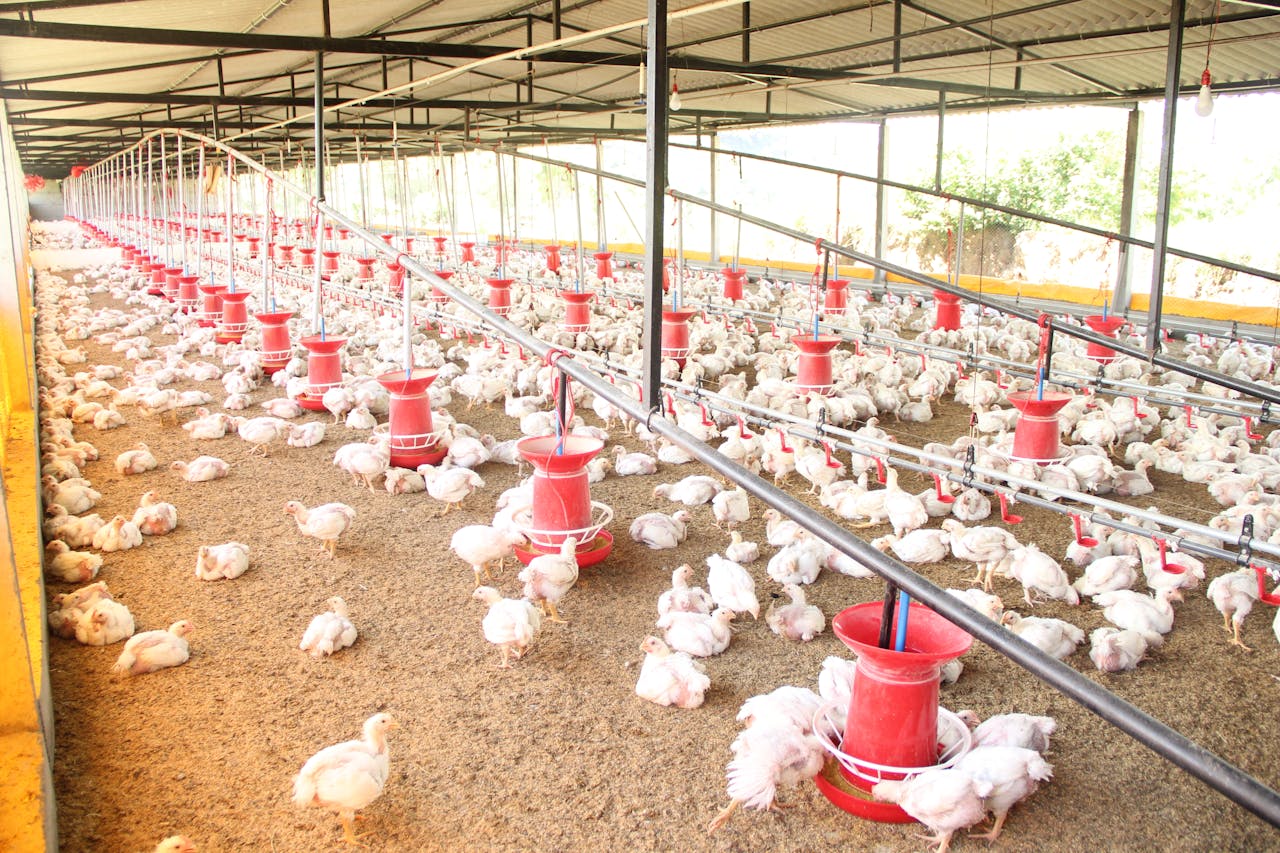
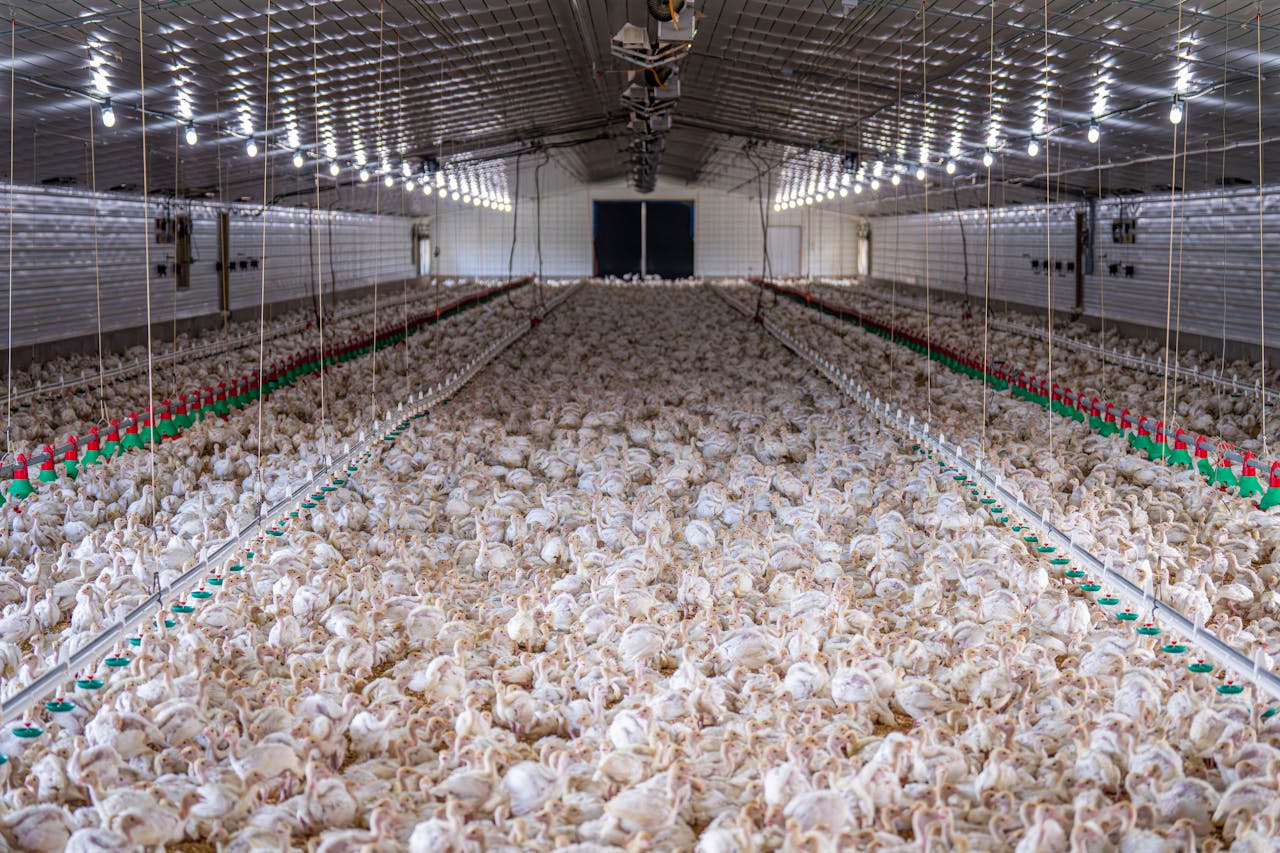
Chicks from the hatchery are placed in controlled broiler sheds where they are raised for 5–7 weeks.
-
Automated feeding and drinking systems.
-
Strict biosecurity and vaccination.
-
Birds are harvested when they reach market weight (usually 2–2.5 kg).
4. Layer Farming (Egg Production)
Some chicks are reared as layers, and after 16–18 weeks, they start laying eggs.
-
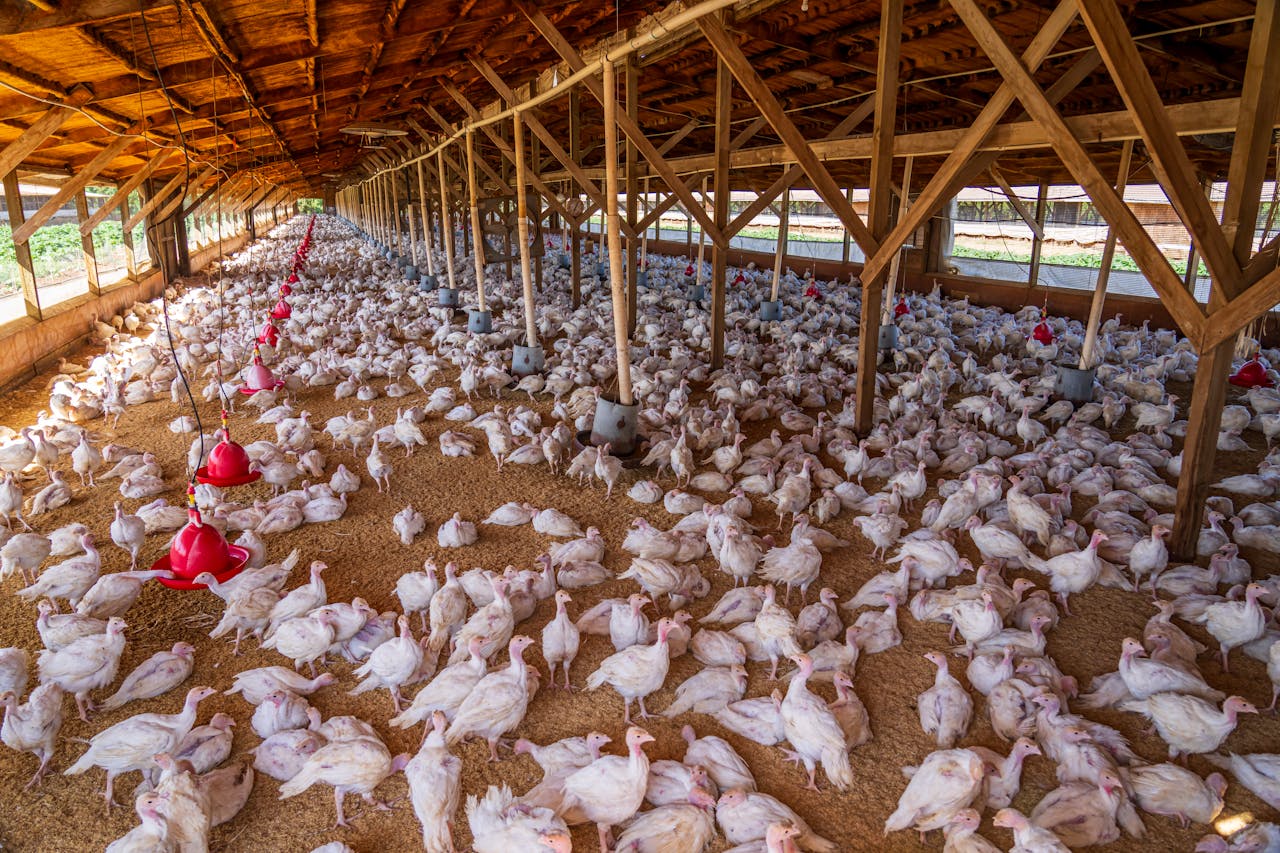
Raised in either cage or floor systems in controlled sheds.
-
Regular feeding, lighting, and vaccination programs.
-
Eggs are collected daily and sent to grading and packaging units.
5. Feed Production (Optional)
Many integrated farms operate their own feed mills to ensure consistent and high-quality nutrition for breeders, broilers, and layers.
-
Custom formulations for each stage.
-
Reduces dependency on external suppliers.
6. Manure and Waste Management
-
Manure from poultry sheds is converted into organic fertilizer.
-
Feathers and offal can be processed into by-products like feather meal.
-
Reduces environmental impact and adds an income stream.
Benefits of Integrated Poultry Farming
-
Quality Control: End-to-end oversight improves bird health and product quality.
-
Cost Efficiency: Reduces external dependency and production costs.
-
Biosecurity: Better disease control and management.
-
Profitability: Multiple income streams (meat, eggs, chicks, fertilizer).
-
Sustainability: Efficient use of resources and waste.
Conclusion
Integrated poultry farming is a strategic approach to modern poultry production. By managing the full cycle from breeding and hatching to meat and egg production, farmers can achieve greater efficiency, reduce risk, and ensure product traceability. As global demand for poultry products grows, integrated systems offer a sustainable and profitable solution for the future of the poultry industry.