

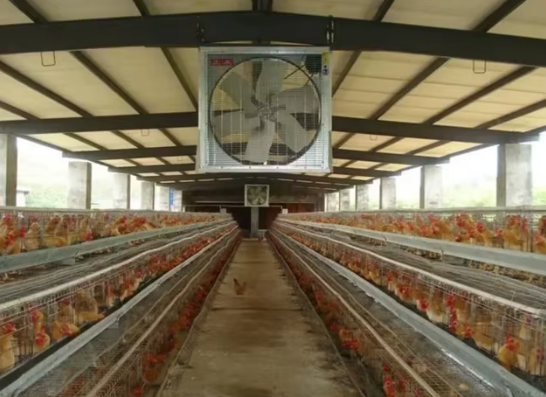
Controlled shed poultry farming is a modern and highly efficient method of raising poultry—especially broilers and layers—under an environment where temperature, humidity, lighting, ventilation, and hygiene are precisely managed. This system relies heavily on purpose-built construction and specialized equipment to maximize productivity, reduce mortality, and ensure high-quality output.
Below is a comprehensive guide on the construction features and equipment used in a controlled poultry shed.
1. Shed Construction: Key Features
The design and construction of a controlled poultry shed are crucial to maintaining an ideal microclimate for bird rearing.
a. Location and Orientation
-
Shed is constructed in an east-west orientation to reduce direct sunlight exposure.
-
Proper drainage system around the shed to avoid water stagnation.
-
Away from residential areas, with biosecurity measures.
b. Structure and Materials
-
Steel frame or reinforced concrete columns for durability.
-
PUF insulated panels or sandwich panels for walls and roof to maintain internal temperature.
-
Concrete floor with proper slope (1–2%) for cleaning and drainage.
-
Curtain walls or side panels with automated openings for air inlet control.
c. Shed Dimensions (Standard for 10,000 birds)
-
Width: 40–50 ft
-
Length: 300–400 ft
-
Height: 10–12 ft
-
Clearance between two sheds: minimum 30 ft for airflow and biosecurity.
2. Environmental Control Systems
Maintaining consistent internal climate is the primary objective of controlled sheds. This is achieved through the following:
a. Ventilation System
-
Exhaust Fans: High-capacity fans installed at one end of the shed to pull out hot, stale air.
-
Air Inlets: Automatically operated vents or curtains that allow fresh air inside.
-
Negative Pressure System: Ensures uniform air distribution and temperature.
b. Cooling System
-
Cooling Pads (Evaporative Cooling): Installed on the opposite side of the exhaust fans. Water passes through pads to reduce air temperature before it enters the shed.
-
Fogging/Misting System: Used during high temperatures to maintain humidity and cooling.
c. Heating System
-
Gas Brooders or Space Heaters: Used in winter or during brooding to maintain warmth (32–35°C for chicks).
-
Thermostats: Control temperature automatically based on preset values.
3. Feeding and Watering Equipment
Automated feeding and watering systems help ensure consistent nutrition and reduce labor.
a. Feeding System
-
Pan Feeders: Circular or chain-type, suspended from the roof and adjustable in height as birds grow.
-
Hopper Silos: Store poultry feed and automatically dispense it into the feeding line.
-
Auger System: Transfers feed from silos to pan feeders.
b. Watering System
-
Nipple Drinkers: Hygienic and automatic; minimize water spillage.
-
Bell Drinkers: Used in some systems, especially for broilers.
-
Water Tanks/RO System: Ensures clean and treated water supply.
4. Lighting System
Lighting plays a key role in growth and egg production.
-
LED or CFL Lighting: Energy-efficient, uniformly distributed across the shed.
-
Lighting Timers/Controllers: Automate on/off cycles as per age and purpose (broiler or layer).
-
Backup Generators/Inverters: Ensure uninterrupted lighting and ventilation.
5. Egg Collection & Manure Management (For Layers)
a. Egg Collection
-
Automatic Egg Belts: Transport eggs from cages to the collection room with minimal breakage.
-
Grading and Packing Units: For quality control and packaging.
b. Manure Disposal
-
Manure Belts or Scrapers: Automatically collect droppings and discharge outside.
-
Composting/Manure Dryer: Converts waste into organic fertilizer.
6. Monitoring & Control System
Smart farming tools enhance efficiency and real-time control.
-
Climate Controllers: Fully automated systems to manage temperature, humidity, and airflow.
-
Sensors: Detect CO₂ levels, ammonia, humidity, and temperature.
-
Mobile App Integration: Remote monitoring and alert systems for farm managers.
7. Biosecurity Infrastructure
-
Footbaths and Disinfection Units: At all entrances.
-
Fencing: Around the farm perimeter.
-
Changing Rooms/Showers: For staff before entering the shed.
-
Rodent Control Systems: Bait stations and traps.
Conclusion
A controlled poultry shed is a complete, technology-driven system that ensures optimal bird performance, disease prevention, and efficient farm management. From construction design to automation in feeding, ventilation, lighting, and waste management, each component is engineered to create a stable, productive environment. As poultry demand rises globally, investing in such infrastructure is critical for sustainable and profitable poultry farming.
Hi, this is a comment.
To get started with moderating, editing, and deleting comments, please visit the Comments screen in the dashboard.
Commenter avatars come from Gravatar.